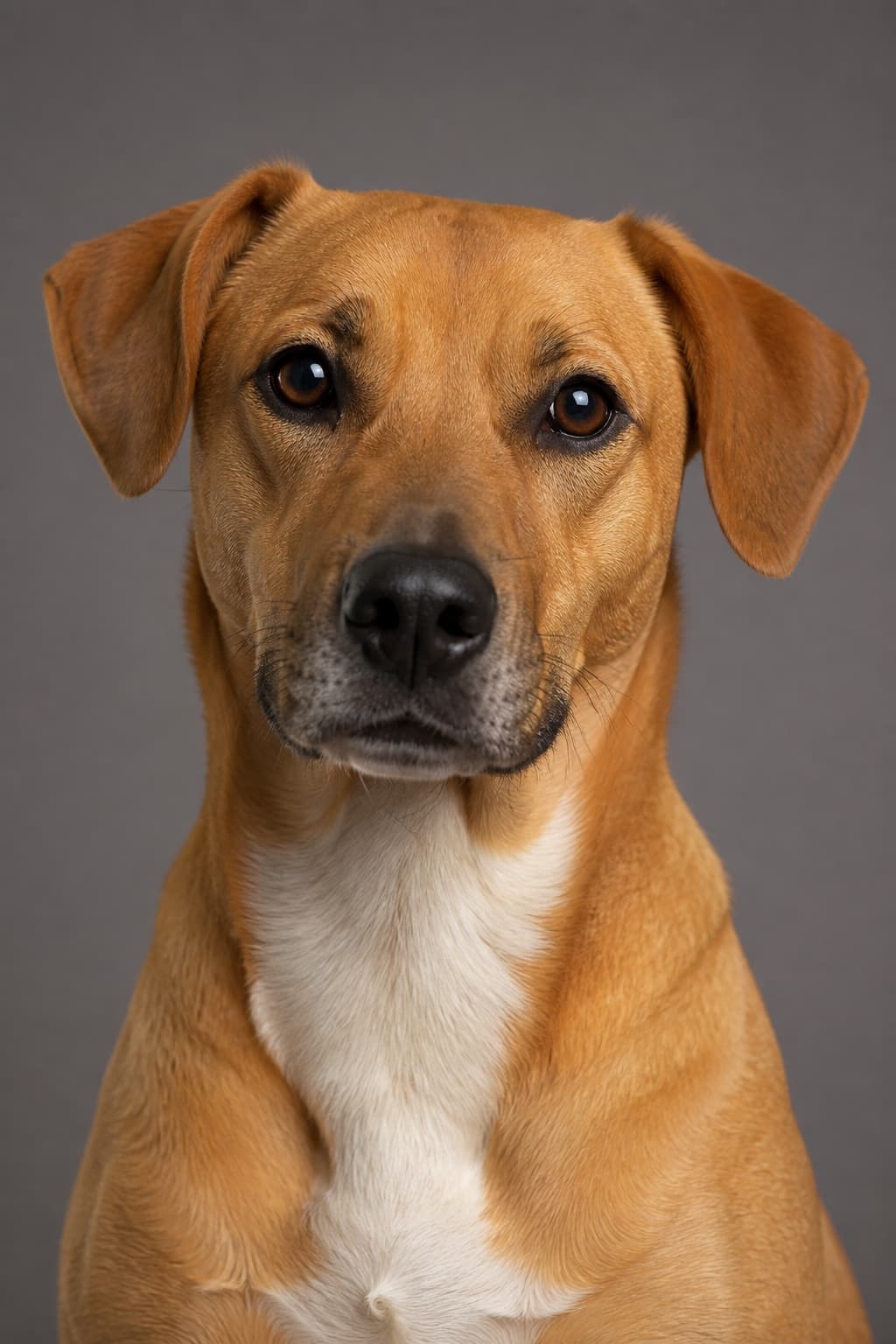
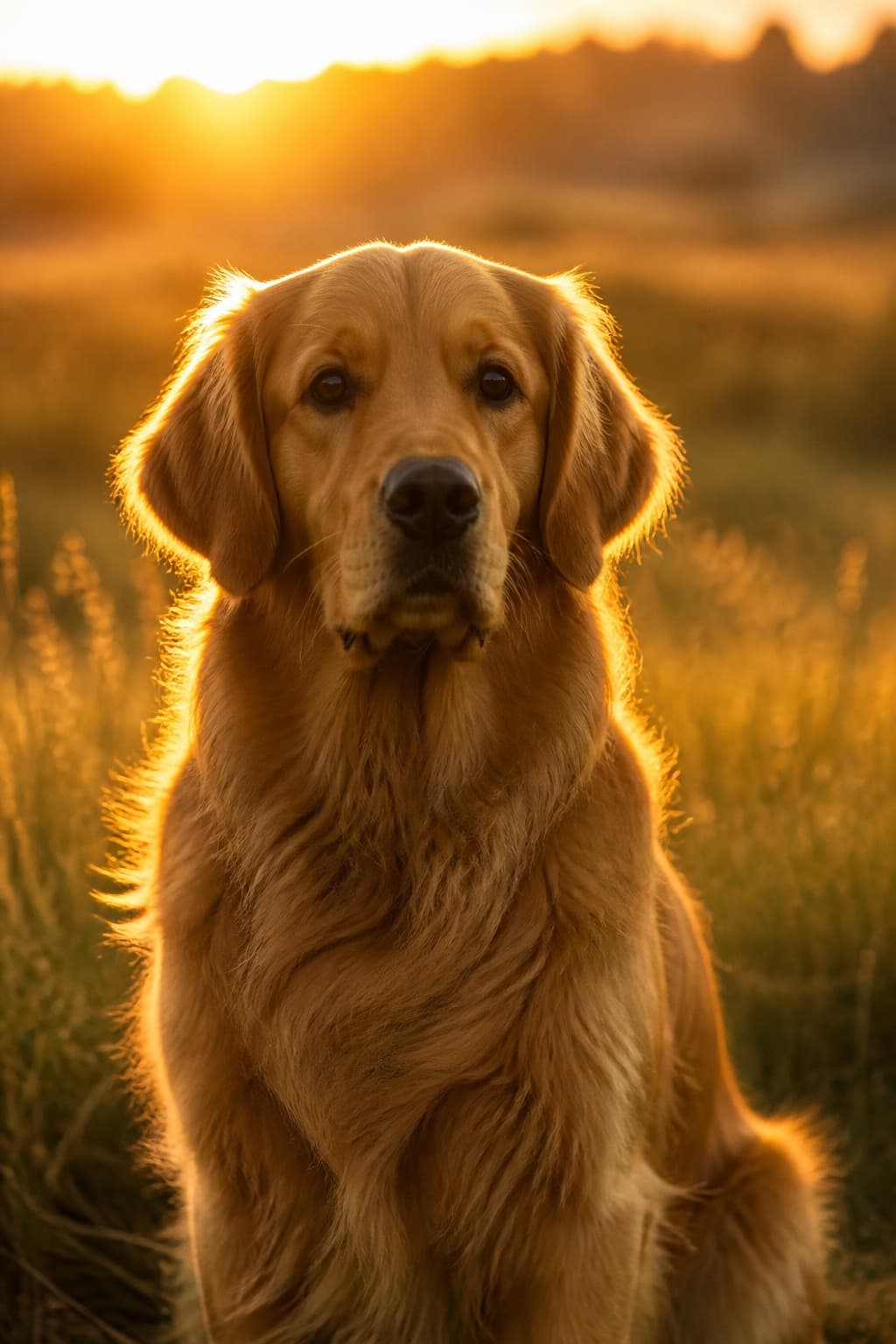
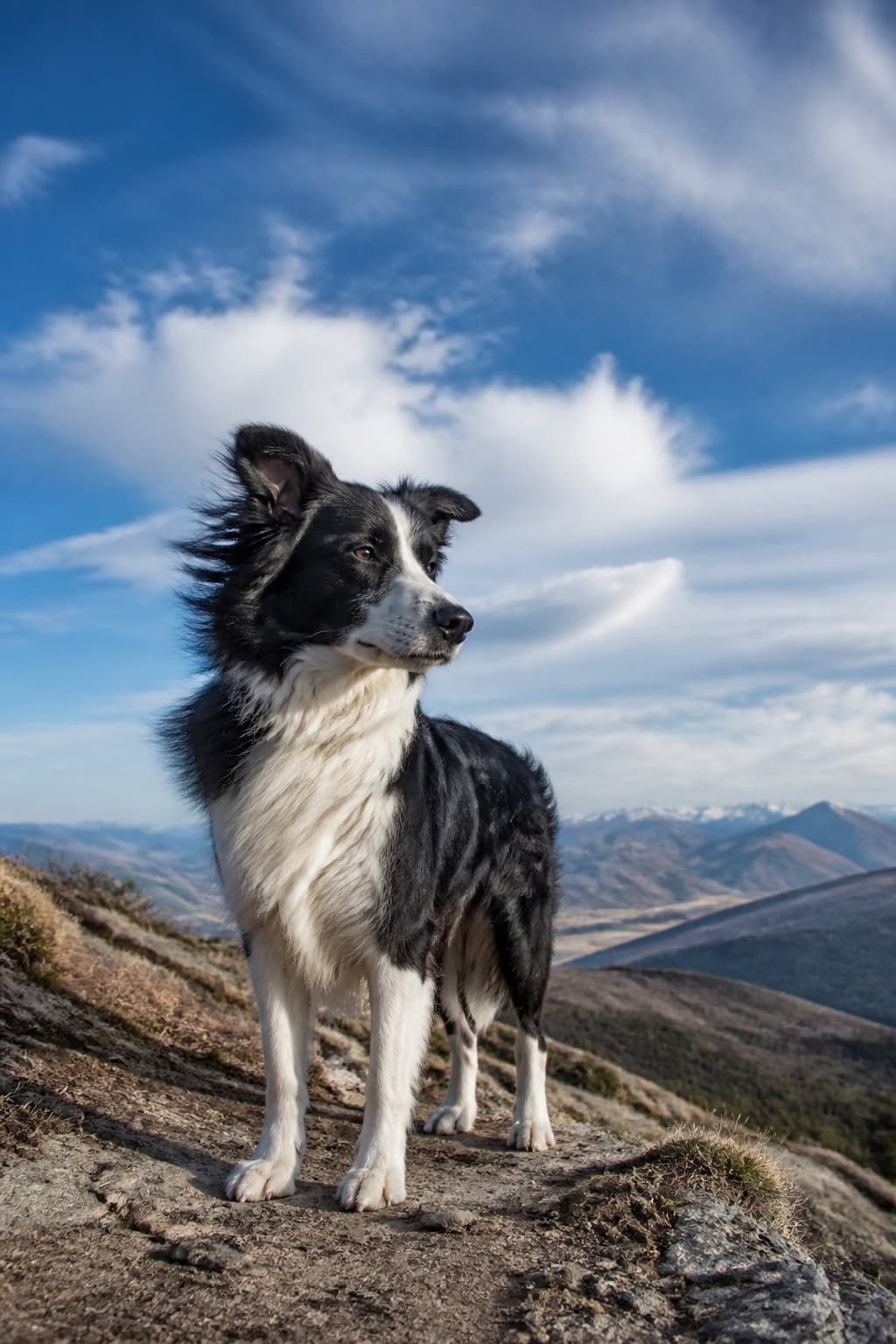
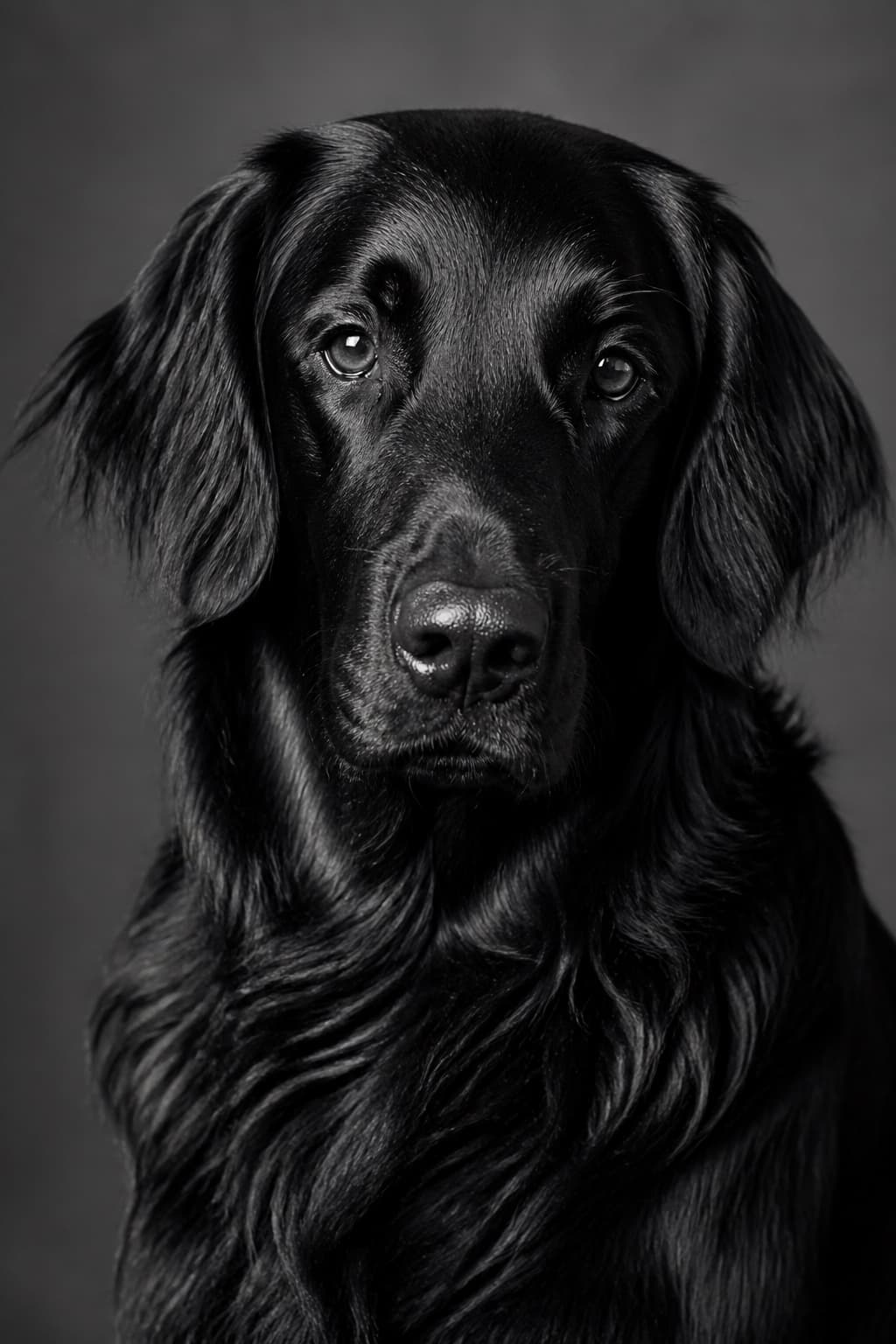
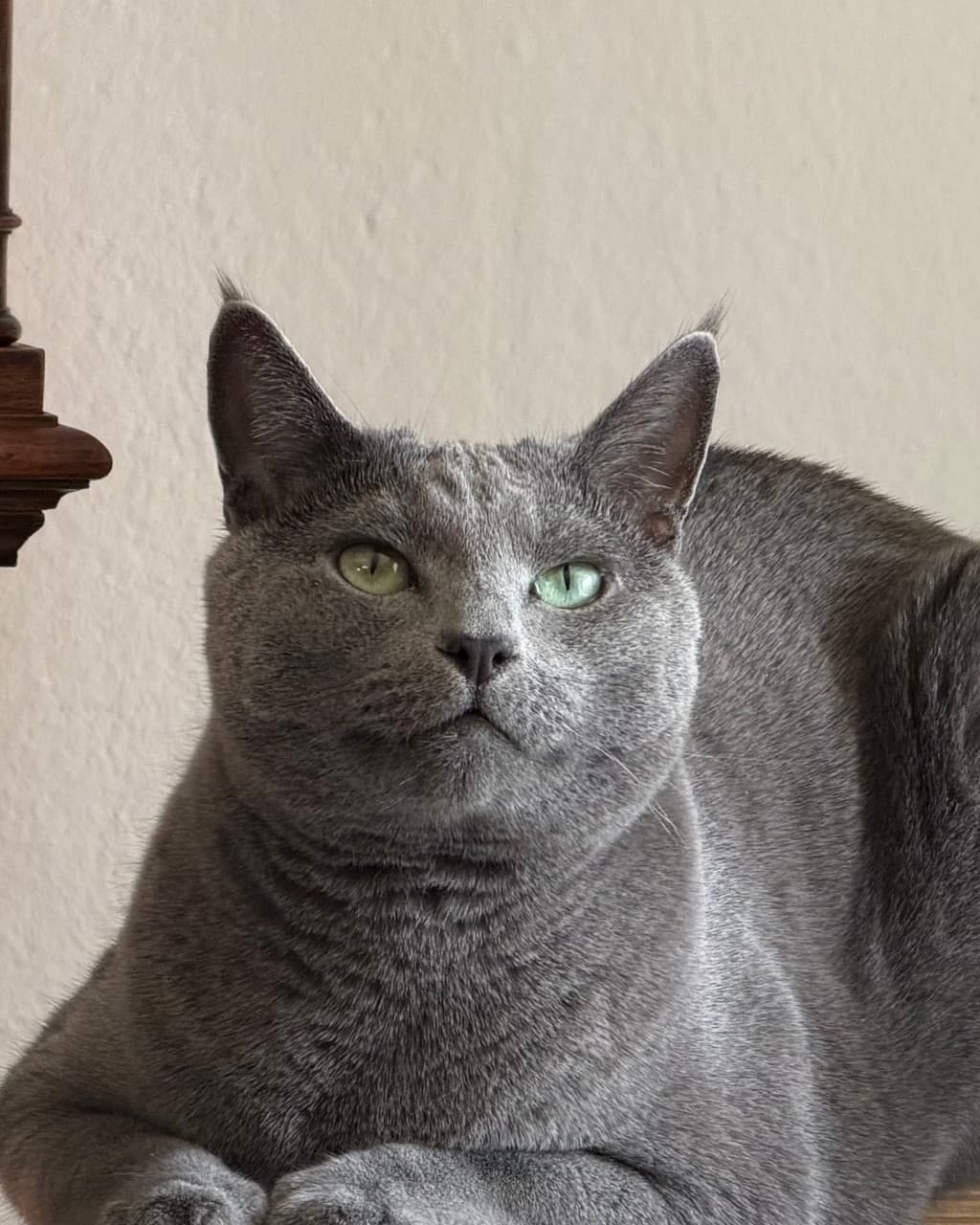
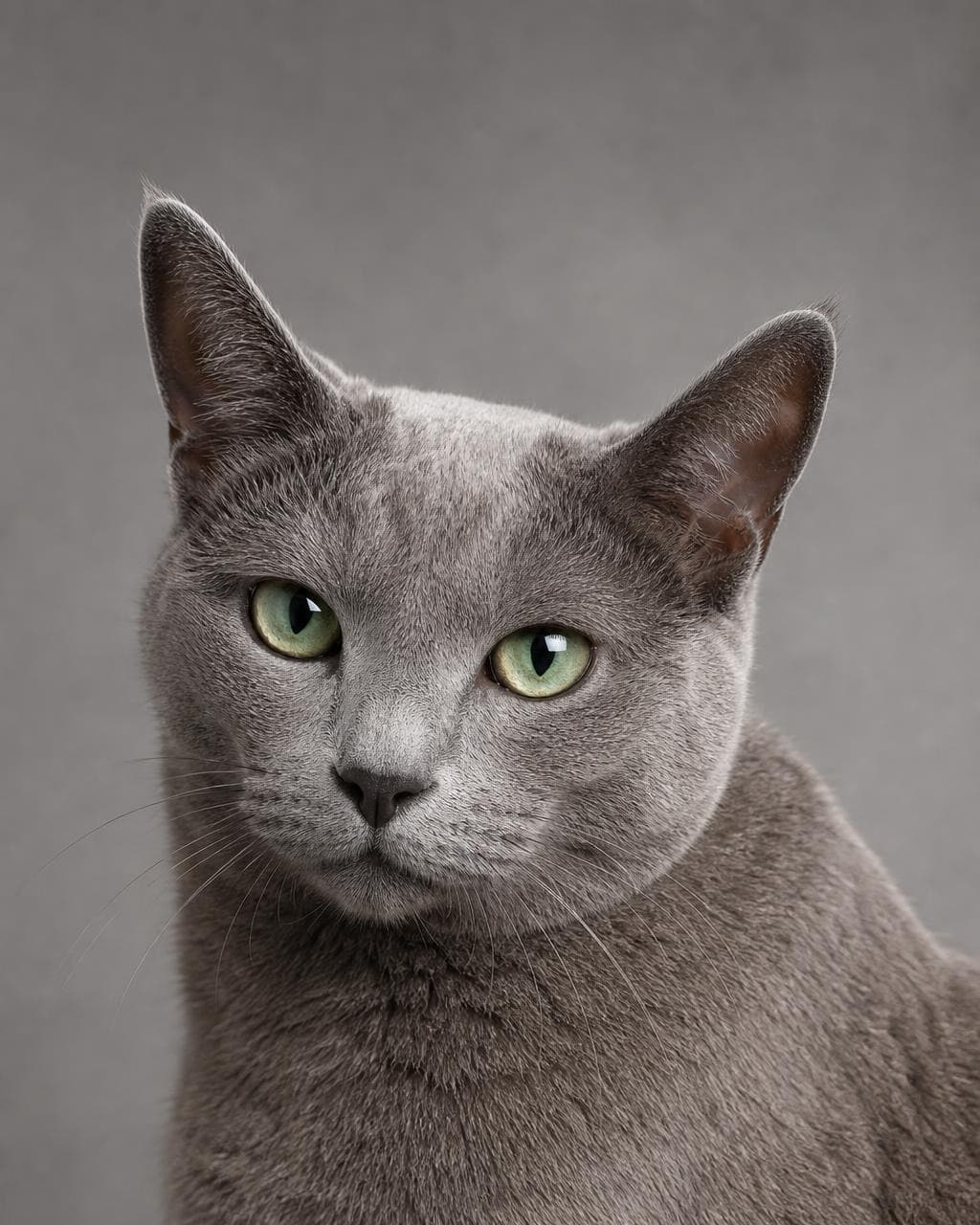
Dogs do not hold a pose, and they do not have to
The reason there is no good photograph of your dog on your phone is not that you are bad at photography. It is that a dog gives you about half a second of stillness at a time, usually facing the wrong way, and by the time the shutter actually fires the head has already turned towards whatever moved behind you.
This works around that rather than against it. You upload the ordinary pictures you already have — the ones where the ears are up and the eyes are open, even if the background is a kitchen floor and half a sofa — and the portrait is composed afterwards. Nothing has to happen in one take, because no take is being asked for.
What we actually need out of a blurry camera roll
The one thing that cannot be recovered is the face. A photograph where your dog is a brown shape at the far end of a field gives the model nothing to match: no eye colour, no ear set, no line where the muzzle changes colour. Three close photographs beat thirty distant ones, and it is worth scrolling back a year to find them.
Almost everything else is negotiable. A cluttered room, a lead across the chest, a tongue out, a bad angle — none of that carries into the finished portrait, because the background and the light are rebuilt from nothing. What carries across is the animal: the markings, the coat, the shape of the head, and the particular set of the ears that makes a stranger's dog of the same breed look wrong to you.
Energy is a style decision, not a problem to fix
A collie that has never voluntarily sat down looks dishonest in a formal frame, and a bulldog that sleeps eleven hours a day looks absurd on a ridgeline. The catalogue is broad because dogs are, and the useful question is not which style is best but which one your dog could plausibly be standing in without the picture arguing with itself.
Working and hill breeds tend to look most themselves outdoors with something behind them. Small companion breeds and flat-faced dogs read better close and softly lit, where the eyes carry the frame. If you cannot decide, a pack gives you the same dog in several registers at once and you pick afterwards, which is a great deal cheaper than guessing first.